Before any successful construction project can begin, the land must be properly prepared—and that starts with site clearing. Whether you’re building a home, installing infrastructure, or preparing commercial land for development, having the right equipment is essential for safety, efficiency, and cost-effectiveness. From removing vegetation to leveling the ground, each step requires specialized machinery designed to tackle the unique challenges of site preparation.
In this blog, we’ll break down the essential equipment used in site-clearing operations, what each machine does, and when it’s needed.
1. Excavators
Excavators are one of the most versatile pieces of equipment used in construction and land clearing. They are equipped with a boom, stick, bucket, and attachments that allow operators to remove trees, dig out stumps, load debris, and perform rough grading.
Best used for:
- Digging trenches
- Removing large roots and stumps
- Demolishing existing structures
- Lifting and moving heavy debris
Helpful attachments: Grapples, mulcher heads, thumbs, brush rakes.
2. Bulldozers
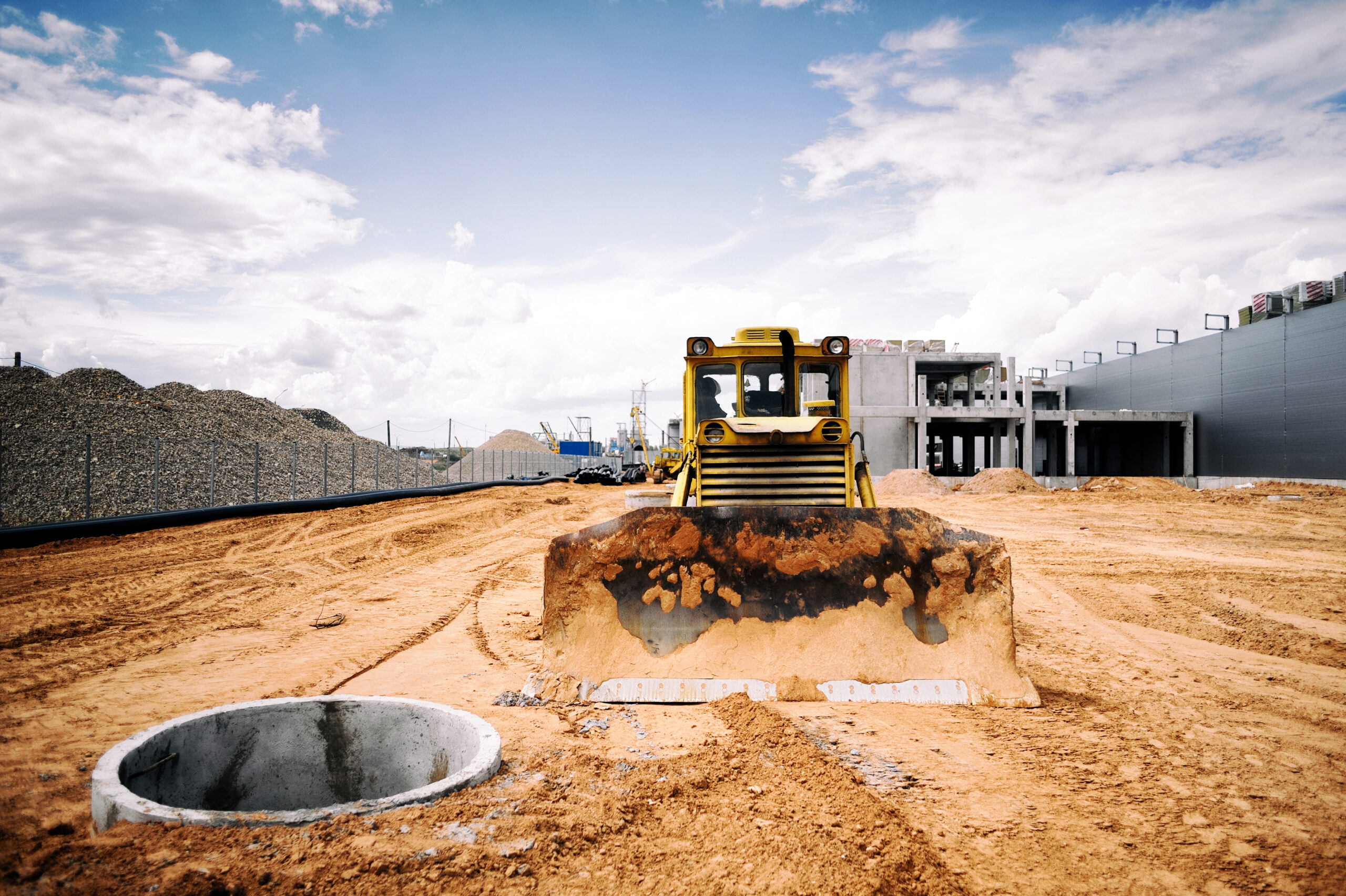
Bulldozers are powerful machines designed to push large quantities of soil, vegetation, and debris. With a front-mounted blade, they’re ideal for quickly clearing vegetation and leveling uneven ground.
Best used for:
- Pushing dirt, brush, and trees
- Rough grading
- Land leveling
- Creating access roads
Blade options: Straight blade, universal blade, and semi-U blade, depending on the job.
3. Skid Steer Loaders
Skid steers are compact, highly maneuverable machines commonly used on smaller or more confined job sites. Their compatibility with a wide range of attachments makes them indispensable.
Best used for:
- Brush clearing
- Removing rocks
- Light grading
- Hauling debris
Top attachments for clearing: Brush cutters, forestry mulchers, root grapples, stump grinders.
4. Forestry Mulchers
Forestry mulchers are essential for clearing dense brush, vegetation, small trees, and undergrowth. They grind vegetation into mulch on-site, eliminating the need to haul or burn.
Best used for:
- Clearing thick brush
- Reducing fire hazards
- Preparing land for development or agriculture
This equipment is handy for environmentally sensitive areas where minimal soil disturbance is preferred.
5. Chainsaws and Hand Tools
While heavy equipment handles the bulk of clearing, handheld tools are still needed for precision cuts, trimming, or clearing areas machines can’t reach.
Common tools include:
- Chainsaws
- Pole saws
- Axes
- Brush cutters
These are often used to supplement clearing near property boundaries, tight spaces, or utility lines.
6. Dump Trucks
Clearing a site produces a significant amount of debris. Dump trucks enable the efficient transport of trees, soil, brush, or demolished materials off-site.
Best used for:
- Hauling cut vegetation
- Moving soil and rock
- Transporting demolition debris
7. Land Graders and Motor Graders
Once the bulk of site clearing is done, motor graders help create a smooth, level surface. They’re often used in road construction but are equally valuable on building sites.
Best used for:
- Final grading
- Leveling large areas
- Preparing the land for foundations or pavement
Tractors With Specialized Attachments
In agricultural or rural construction settings, tractors outfitted with rotary cutters, brush hogs, or grapples can clear overgrown land efficiently.
Common attachments include:
- Brush hogs
- Grapples
- Box blades
- Tillers
Choosing the Right Equipment for the Job
The type of equipment needed for site clearing varies based on several key factors, including the size of the land, the type and density of vegetation, soil conditions, project requirements, and any applicable environmental regulations. Larger, heavily wooded areas typically demand powerful machinery such as excavators and bulldozers to remove trees, stumps, and dense brush efficiently. In contrast, smaller or more confined urban lots often benefit from compact, maneuverable equipment like skid steers and a range of hand tools, which allow crews to work precisely in tight spaces without causing unnecessary disruption.
Final Thoughts
Before any construction project begins, proper land preparation is essential—and that starts with site clearing. The right equipment ensures safety, efficiency, and cost-effectiveness, from removing vegetation to leveling the ground. The machinery needed depends on factors like land size, vegetation density, soil conditions, project goals, and environmental regulations. Larger, wooded areas often require powerful excavators and bulldozers, while smaller or tight urban lots benefit from compact skid steers and hand tools for precise, low-impact clearing.
The Builder Association operates to foster the growth of our communities construction industry by providing trusted local contractor recommendations via our Membership Directory. For more information about how contractors can join The Builders Association, contact our team today!