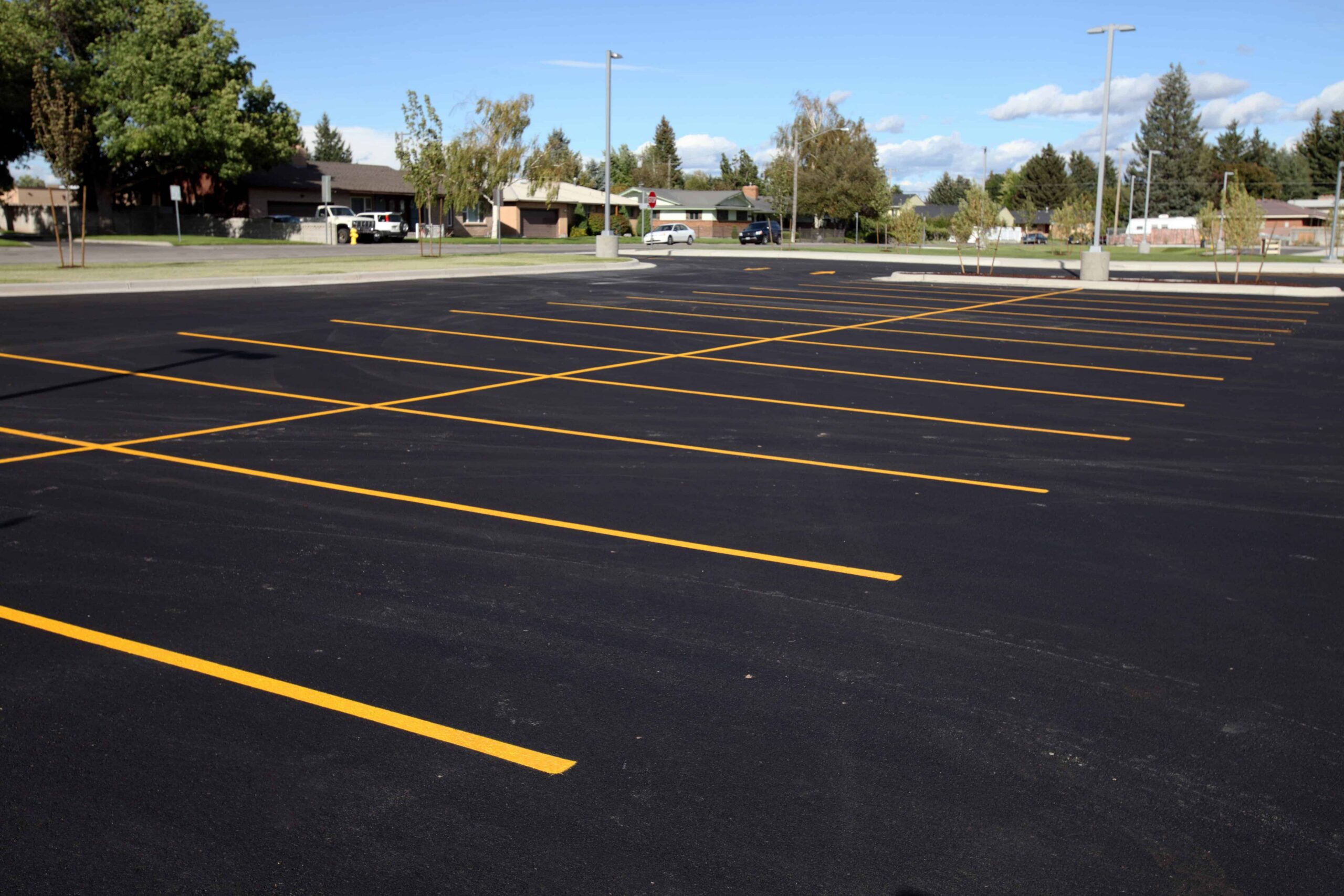
A parking lot is often the first thing customers, tenants, and employees see when they arrive at your property. It also takes a beating from heavy vehicles, snowplows, road salt, and the freeze-thaw cycles that are a fact of life in Eastern Ohio and Western Pennsylvania. Choosing the right commercial asphalt company affects how long your pavement lasts, how much you spend on repairs, and how well your property handles drainage, safety, and accessibility requirements.
At The Builders Association, we’ve worked alongside the region’s construction professionals for decades. Here’s what property owners, facility managers, and developers should look for before signing a paving contract.
Start by Defining Your Project Scope
Before you call contractors, get clear on what you actually need. Commercial asphalt work generally falls into a few categories:
- New construction paving for parking lots, access roads, and loading areas
- Resurfacing or overlays that add a new layer over sound existing pavement
- Full-depth replacement when the base has failed
- Maintenance services such as crack sealing, sealcoating, patching, and pothole repair
- Line striping and ADA markings for parking stalls, fire lanes, and accessible spaces
Knowing your scope helps you find contractors who specialize in that type of work and makes bids easier to compare. If you’re unsure whether your lot needs an overlay or full replacement, ask each contractor to explain their assessment and why.
Look for Commercial Experience Specifically
Residential driveway paving and commercial paving are different jobs. Commercial projects involve heavier traffic loads, larger equipment, stricter drainage requirements, and often tight schedules that work around business hours. Ask each contractor:
- How many commercial projects have you completed in the last few years?
- Can you share references for projects similar in size to mine?
- Do you own your paving equipment, or subcontract parts of the work?
Take the time to visit a few of their completed projects. Pavement that is several years old will tell you more about workmanship than photos of a freshly finished lot.
Verify Insurance, Registration, and Bonding
Never hire a contractor who can’t provide proof of insurance. At a minimum, request certificates for:
- General liability insurance to cover property damage or injuries on your site
- Workers’ compensation coverage for their crew (in Ohio, this is provided through the Ohio Bureau of Workers’ Compensation)
- Commercial auto insurance for trucks and equipment
Local registration requirements vary by municipality, so confirm the contractor is properly registered where your project is located. For public or larger private projects, ask whether the contractor can provide performance and payment bonds.
Ask About Safety Practices
A paving site involves hot materials, heavy machinery, and active traffic. A contractor with a documented safety program protects your property, your visitors, and your liability exposure. Ask about crew training, traffic control plans, and their safety record. Contractors who invest in ongoing safety training tend to run more organized, professional job sites.
Compare Bids Line by Line
The lowest bid isn’t always the best value. When bids vary widely, it’s usually because contractors are proposing different work. Make sure every bid clearly states:
- Asphalt thickness and mix type
- Base preparation and compaction methods
- Drainage corrections or grading
- Removal and disposal of old material
- Striping, signage, and ADA compliance work
- Project timeline and working hours
If one contractor includes base repair and another doesn’t, the cheaper bid may cost you more when the new surface fails early. Ask questions until you can compare each proposal on equal terms.
Get Everything in Writing
A clear contract protects both you and the contractor. It should include the full scope of work, material specifications, schedule, payment terms, how change orders are handled, cleanup responsibilities, and warranty details. Ask what the warranty covers and for how long, and whether it applies to materials, workmanship, or both.
Plan for Long-Term Maintenance
The best commercial asphalt companies don’t disappear once the job is done. Ask whether they offer maintenance plans for crack sealing and sealcoating. Regular maintenance is one of the most cost-effective ways to extend the life of your pavement and delay major reconstruction.
Why Work With a Builders Association Member
Contractors who belong to a professional trade association have made a visible commitment to their industry. Members of The Builders Association have access to industry education, safety resources, networking, and project bidding opportunities through our plan room, which keeps them connected to the regional construction market.
Ready to start your search? Browse our member directory to find commercial paving and asphalt contractors serving Eastern Ohio and Western Pennsylvania. If you’re a contractor looking to connect with more commercial clients, learn about the benefits of Builders Association membership. Questions? Contact our team and we’ll help point you in the right direction.
Frequently Asked Questions
What affects the cost of commercial asphalt paving?
Cost depends on the size of the area, the condition of the existing base, asphalt thickness, drainage needs, site accessibility, and current material prices. Full replacement costs significantly more than an overlay, which is why an accurate assessment of your existing pavement matters.
When is the best time of year to pave a commercial parking lot?
In our region, paving is typically done from late spring through fall, when temperatures are warm enough for asphalt to be placed and compacted properly. Local asphalt plants usually slow or close production in the colder months, so scheduling early in the year helps you secure a spot on a contractor’s calendar.
How long does a commercial asphalt parking lot last?
A properly installed commercial lot can last 20 years or more with routine maintenance. Base quality, traffic volume, drainage, and how consistently you sealcoat and repair cracks all play a major role in its lifespan.
Should I repair, overlay, or replace my parking lot?
Isolated cracks and potholes can often be repaired. If the surface is widely worn but the base is still stable, an overlay may be a cost-effective option. When you see widespread alligator cracking, sinking, or standing water, the base has likely failed and full replacement is usually the better long-term investment.