
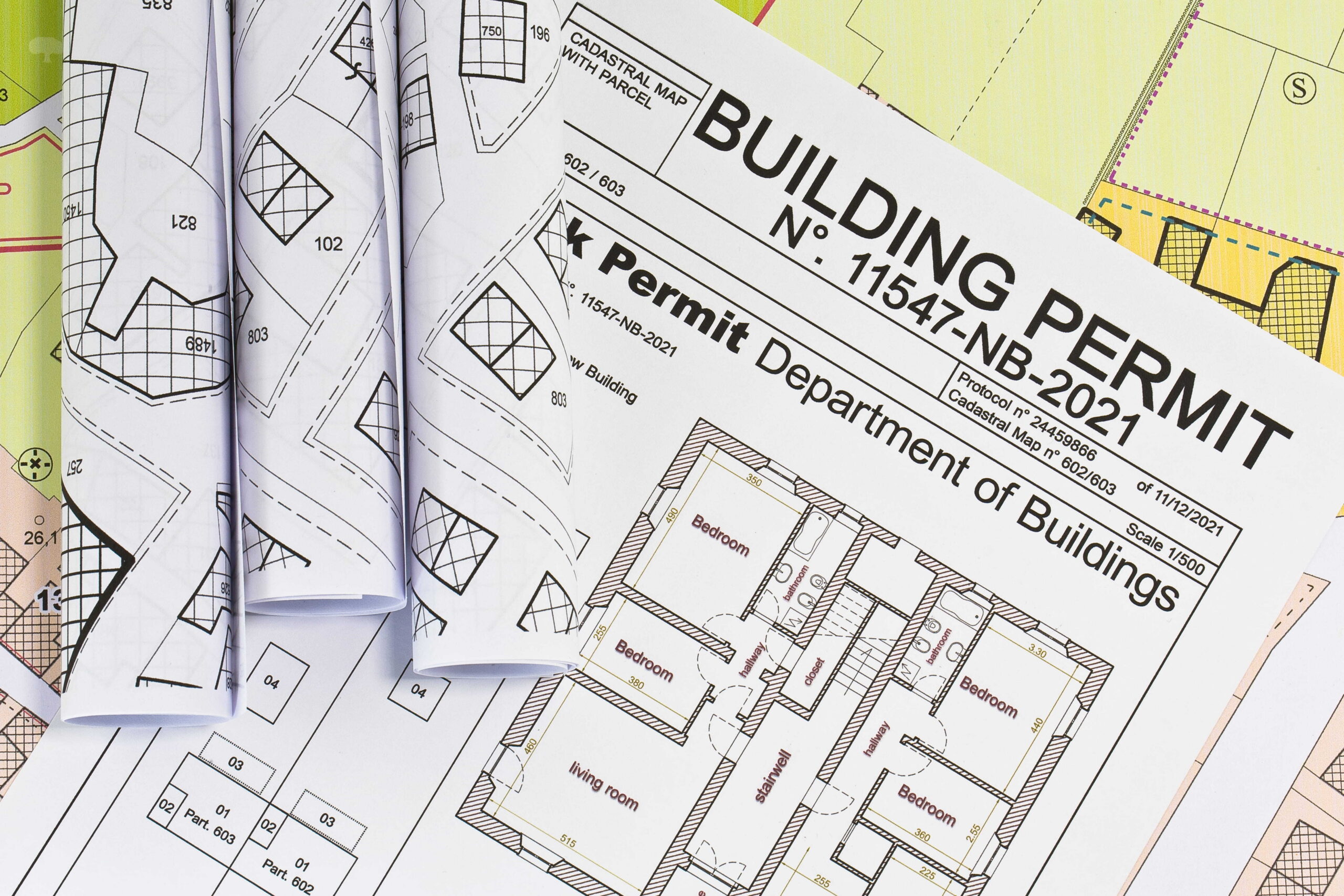
Zoning approval answers one question: can this use go on this property? A building permit answers another: will this structure be built safely and to code? Commercial property owners in Northeast Ohio and Western Pennsylvania need both, and mixing them up is one of the fastest ways to lose weeks on a project schedule.
The two approvals come from different offices, follow different rules, and happen in a set order. Understanding that order before you buy land, sign a lease, or hire a design team helps you budget time realistically and avoid costly redesigns. For a full walkthrough of plan review and inspections, see our guide to the commercial permitting process.
What Zoning Approval Covers
Zoning is local land use control. Your city, village, township, or borough adopts a zoning ordinance and map that divides land into districts, such as commercial, industrial, or residential, and spells out what each district allows.
A zoning review typically looks at:
- Permitted use: whether a warehouse, medical office, restaurant, or retail store is allowed in that district
- Setbacks: how far the building must sit from property lines and roads
- Height and lot coverage: maximum building height and how much of the parcel can be built on
- Parking and loading: required spaces, drive aisles, and loading areas
- Signage, landscaping, and buffers: especially next to residential districts
If your plans do not fit the ordinance, you may need a variance, a conditional use or special exception approval, or a rezoning. Each adds a public hearing and time to the schedule. An experienced architect or civil engineer can flag zoning conflicts during early site planning, before design dollars are spent.
What a Building Permit Covers
A building permit confirms that the construction itself meets the adopted building code. Where zoning looks at the site and the use, the building permit looks at the structure and the people inside it.
Plan reviewers and inspectors check items such as:
- Structural design, foundations, and framing
- Fire protection, sprinklers, and means of egress
- Accessibility for people with disabilities
- Electrical, plumbing, and HVAC systems
- Energy code compliance
The permit leads to staged inspections during construction and, at the end, a certificate of occupancy. Our overview of building codes explains how these standards protect owners, tenants, and the public. Specialty trades, like electrical contractors, often pull their own trade permits under the main building permit.
Zoning vs. Building Permits at a Glance
| Zoning Approval | Building Permit | |
| Core question | Is this use allowed on this site? | Is this structure safe and code compliant? |
| Who issues it | Local zoning office (city, village, township, or borough) | Certified building department or code official |
| What it reviews | Before construction plans are submitted | After zoning is cleared, before work starts |
| If you don’t comply | Variance, conditional use, or rezoning hearing | Plan corrections and resubmittal |
| Final result | Zoning permit or certificate | Permit, inspections, and certificate of occupancy |
Which Comes First?
In most jurisdictions, zoning comes first. Mahoning County’s Building Inspection Department, for example, lists a zoning permit from the township, city, or village, with a site plan, as a required item before it accepts commercial plans for review (source). A typical sequence looks like this:
- Confirm the zoning district and permitted uses before you buy or lease.
- Prepare a site plan and apply for zoning approval.
- Resolve any variance or conditional use hearings.
- Secure other site approvals, such as sewer, floodplain, or health department sign-offs.
- Submit sealed construction drawings for building plan review.
- Receive the building permit, build, pass inspections, and obtain the certificate of occupancy.
Skipping step one is a common source of construction delays. It also matters if you are weighing whether to build or buy a commercial property, since an existing building’s approved use may not match your plans.
How It Works in Northeast Ohio and Western Pennsylvania
The Builders Association’s members work across Mahoning, Trumbull, and Columbiana counties in Ohio and Mercer and Lawrence counties in Pennsylvania. The two states handle building codes differently, while zoning stays local in both.
Ohio. The Ohio Board of Building Standards certifies municipal, township, and county building departments to enforce the Ohio Building Code on nonresidential buildings (ORC 3781.10). Zoning, however, is handled by each city, village, or township. That means a project in an unincorporated township may get zoning from the township and its building permit from the county.
Pennsylvania. The Uniform Construction Code (UCC) is the statewide building code, and more than 90% of municipalities administer it locally through certified staff or third-party agencies (PA Department of Labor & Industry). Zoning falls under each municipality’s ordinance, and variances, special exceptions, and conditional uses go before a zoning hearing board or governing body under the Municipalities Planning Code (source).
Because rules change from one township line to the next, working with local commercial contractors who know the offices and reviewers in your community can save real time.
Build Your Approval Team Early
The smoothest commercial projects bring the right professionals in before the first application is filed. A qualified team can confirm zoning, anticipate code questions, and sequence approvals so construction starts on time.
- A commercial general contractor can coordinate permit timing with subcontractor schedules and budget.
- A design-build firm can manage design, zoning, and permitting under one contract.
- A construction attorney can guide you through a variance or rezoning hearing.
Not sure where to start? Review our tips on choosing the right general contractor, then search The Builders Association member directory to find vetted firms serving Northeast Ohio and Western Pennsylvania.
–
Frequently Asked Questions
Does an interior renovation need zoning approval?
Often not, if the use and the building footprint stay the same. Interior work usually needs only a building permit. If the renovation adds square footage, changes parking needs, or changes how the space is used, check with the zoning office first.
Do I need new approvals if I change a building’s use without construction?
Usually, yes. Converting retail space to a restaurant or an office to a medical clinic can trigger a zoning review and a new certificate of occupancy, because the code treats occupancy types differently even when no walls move.
Can a zoning decision be appealed?
Yes. In Pennsylvania, applicants or objectors generally have 30 days to appeal a zoning hearing board decision to the Court of Common Pleas. Ohio has its own appeal process through local boards and the courts. Plan for that window before mobilizing crews.
Who applies for the permits, the owner or the contractor?
It varies. Owners or their design professionals commonly handle zoning applications, while the general contractor and trade contractors typically pull building and trade permits. Clarify these responsibilities in your contract.